Antique Brass vs Modern Finishes: Interior Design Guide
- by ISMAIL AHMEDJEE

The Timeless Appeal of Antique Brass in Contemporary Spaces
Antique brass finish interior design trends for 2026 showcase a remarkable renaissance of this venerable material, transcending its traditional boundaries to embrace contemporary aesthetics. The patinated warmth of antique brass creates an ineffable sophistication that modern finishes struggle to replicate. This lustrous metal, with its characteristic aged patina and aureate undertones, bridges the chasm between historical gravitas and contemporary sensibility.
Interior designers increasingly gravitate toward antique brass for its inherent versatility and enduring appeal. The finish exhibits a nuanced complexity that evolves with ambient lighting conditions, displaying golden highlights in natural sunlight while revealing deeper bronze undertones in artificial illumination. This chameleon-like quality makes antique brass an exemplary choice for spaces requiring both visual interest and temporal flexibility.
The architectural hardware industry has witnessed a pronounced shift toward antique brass applications, particularly in premium residential and commercial projects. Hamilton Brass's heritage craftsmanship exemplifies this trend, combining traditional fabrication techniques with contemporary engineering precision to produce hardware that satisfies both aesthetic and functional imperatives.
Modern Finishes: The Contemporary Counterpoint
Matte Black: The Minimalist's Choice
Matte black finishes dominate contemporary design discourse with their uncompromising boldness and stark elegance. This finish creates dramatic juxtaposition against light-colored substrates while maintaining visual coherence in darker palettes. The absence of reflectivity eliminates visual noise, allowing architectural elements to recede or advance based on design intent.
The powder-coated finish provides exceptional durability against fingerprints and water spotting, making it particularly suitable for high-traffic applications. However, its unforgiving nature demands precise installation and meticulous maintenance to preserve its pristine appearance.
Brushed Nickel: The Versatile Intermediary
Brushed nickel occupies the middle ground between warm and cool tones, offering chromatic neutrality that complements diverse color schemes. The linear brush marks create subtle texture that diffuses light uniformly, preventing harsh reflections while maintaining sufficient luminosity to enhance spatial perception.
This finish demonstrates remarkable resilience against tarnishing and corrosion, particularly advantageous in humid environments or coastal applications. The consistent grain pattern masks minor scratches and wear, ensuring longevity in both residential and commercial installations.
Polished Chrome: The Reflective Modernist
Polished chrome epitomizes modernist design principles with its mirror-like reflectivity and cool undertones. The high-gloss surface amplifies ambient light, creating spatial illusions that enhance perceived room dimensions. This finish pairs exceptionally well with glass, stainless steel, and other contemporary materials.
However, polished chrome demands rigorous maintenance to preserve its lustrous appearance. Water spots, fingerprints, and cleaning residue become immediately apparent on the reflective surface, necessitating frequent attention in active environments.
2026 Design Trajectory: Antique Brass Ascendancy
The design zeitgeist of 2026 embraces antique brass as a sophisticated alternative to ubiquitous modern finishes. This trend reflects a broader cultural shift toward authenticity, craftsmanship, and temporal permanence in interior design. The finish satisfies contemporary desires for uniqueness while honoring traditional manufacturing heritage.
Color forecasting indicates a movement toward warmer interior palettes, with antique brass serving as a crucial transitional element between neutral backgrounds and richer accent tones. The finish's inherent depth and complexity provide visual anchor points in minimalist compositions while adding refinement to maximalist arrangements.
"Antique brass represents the perfect confluence of historical authenticity and contemporary relevance, offering designers a finish that ages gracefully while maintaining its essential character." - Leading Interior Design Authority
Luxury hospitality projects increasingly specify antique brass hardware for its ability to convey established elegance without appearing ostentatious. The finish's association with quality craftsmanship and attention to detail aligns with premium brand positioning and consumer expectations.
Application-Specific Considerations
Cabinet Hardware Excellence
Antique brass cabinet hardware transforms utilitarian storage into decorative focal points. The finish's warm tones complement both light and dark cabinetry, creating visual continuity across diverse kitchen and bathroom designs. Knobs and pulls in antique brass develop a natural patina over time, enhancing their authentic appearance through regular use.
The substantial weight and tactile quality of solid brass construction provide satisfying user interaction, distinguishing premium hardware from lighter alternatives. Hamilton Brass's precision-engineered cabinet fittings exemplify this marriage of aesthetic appeal and functional performance.
Door Hardware Sophistication
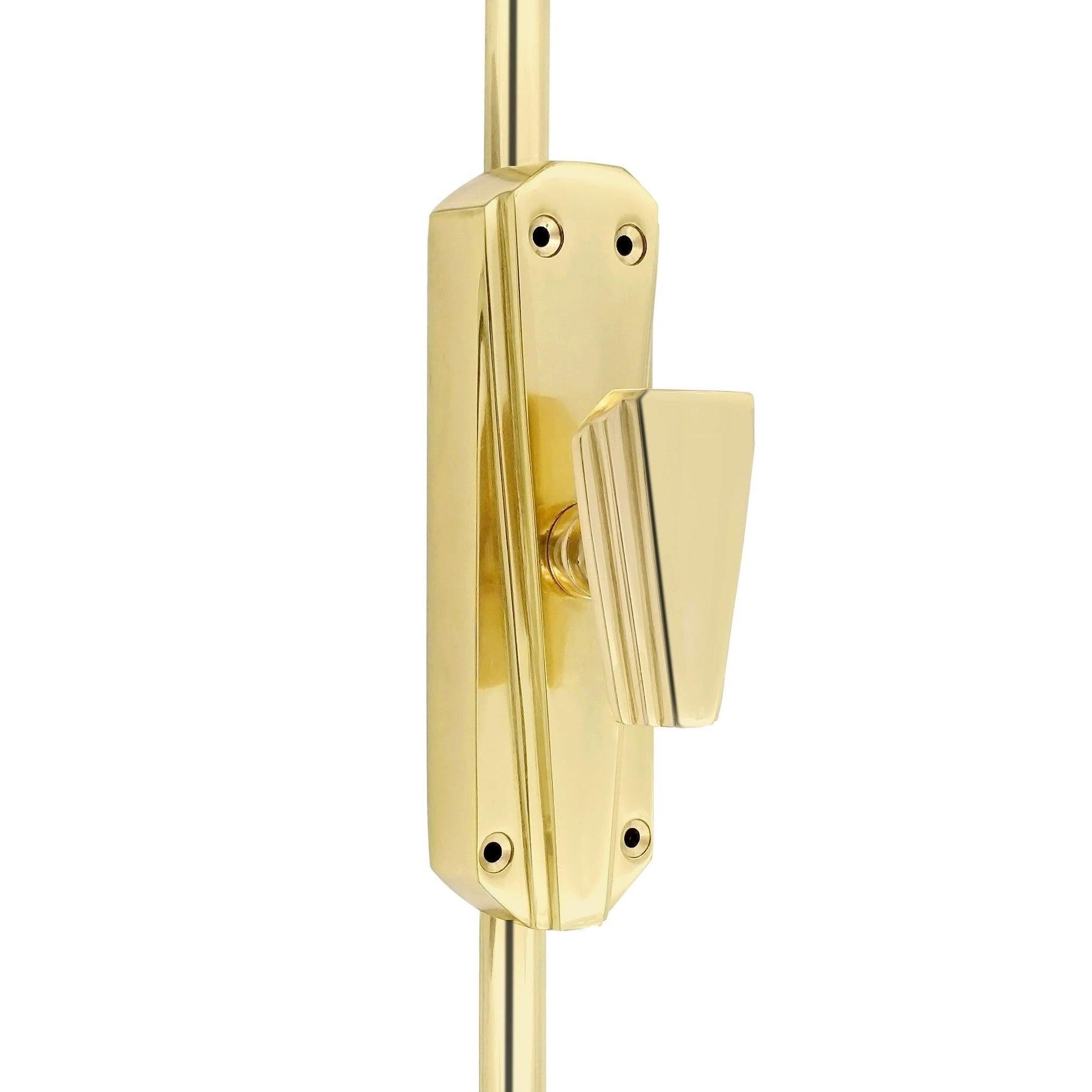
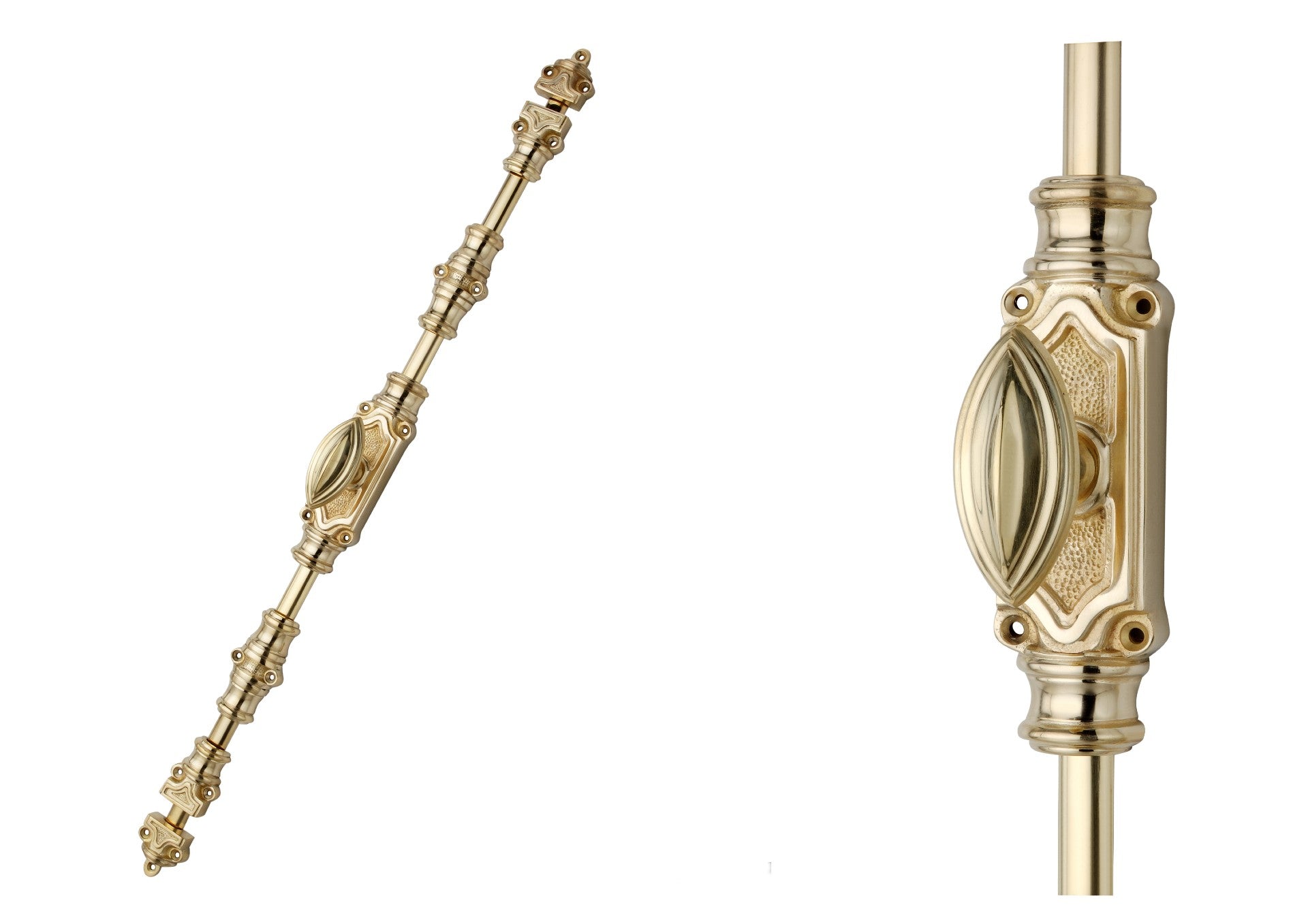
Entrance and interior door hardware in antique brass establishes immediate design intent while providing reliable security and operation. Espagnolette and cremone bolts showcase the finish's ability to enhance both traditional and contemporary door designs through their distinctive linear profiles and mechanical complexity.
The corrosion resistance of quality brass construction ensures consistent appearance despite exposure to varying environmental conditions. Regular use develops a pleasant patina that enhances the hardware's character without compromising functionality.
Architectural Accent Applications
Hooks, brackets, and decorative hardware in antique brass serve as jewelry for interior spaces. These smaller elements provide opportunities to introduce the finish without overwhelming existing design schemes, allowing gradual transition toward warmer metallic palettes.
The finish's ability to complement both ferrous and non-ferrous materials makes it exceptionally versatile for mixed-metal applications. Careful curation prevents metallic chaos while maintaining visual interest through thoughtful contrast.
Durability and Maintenance Protocols
| Finish Type | Maintenance Frequency | Durability Rating | Cost Factor |
|---|---|---|---|
| Antique Brass | Monthly | Excellent | Premium |
| Matte Black | Weekly | Good | Moderate |
| Brushed Nickel | Bi-weekly | Very Good | Standard |
| Polished Chrome | Daily | Good | Economy |
Antique brass hardware requires minimal intervention to maintain its intended appearance. Unlike highly polished finishes that demand frequent cleaning, the naturally aged appearance of antique brass conceals minor imperfections while developing enhanced character through use.
Gentle cleaning with mild soap solutions preserves the finish's integrity without removing protective patination. Avoid abrasive cleaners or polishing compounds that might alter the carefully developed surface characteristics.
Design Integration Strategies
Successful antique brass integration requires understanding its relationship with surrounding materials and colors. The finish harmonizes beautifully with warm wood tones, natural stone, and traditional textiles while providing sophisticated contrast against cooler contemporary materials.
Layering different metallic finishes creates visual depth, but requires careful consideration of proportions and placement. Antique brass should typically occupy the dominant position, with other finishes serving supporting roles to prevent competitive tension.
Consider the temporal nature of design decisions when specifying antique brass hardware. While trends fluctuate, quality brass construction transcends stylistic changes, providing enduring value through multiple design cycles.
Cost-Benefit Analysis for Professional Specifications
The initial investment in antique brass hardware reflects its superior materials, craftsmanship, and longevity. While premium pricing may challenge project budgets, the finish's durability and timeless appeal provide exceptional long-term value compared to trend-driven alternatives.
Restoration specialists particularly appreciate antique brass for its ability to complement historical elements while providing modern functionality. The finish's authenticity eliminates the jarring anachronisms often created by contemporary hardware in traditional settings.
Professional-grade antique brass hardware maintains consistent quality standards essential for commercial applications. Hamilton Brass's engineering heritage ensures reliable performance across diverse installation conditions and usage patterns.
Frequently Asked Questions
Does antique brass hardware require special installation techniques?
Standard installation methods apply to antique brass hardware, though care should be taken to protect the finish during construction. Use appropriate fasteners and avoid cross-threading to prevent damage to the patinated surface.
Can antique brass be mixed with other metallic finishes?
Yes, antique brass combines beautifully with oil-rubbed bronze, aged iron, and even carefully selected modern finishes. Maintain proportion balance with antique brass as the primary finish and others as accents.
How does antique brass perform in coastal environments?
Quality brass construction with proper protective finishes performs excellently in marine environments. The natural corrosion resistance of brass, combined with appropriate maintenance, ensures long-term durability.
Will antique brass clash with existing modern fixtures?
Antique brass can bridge modern and traditional elements when thoughtfully integrated. Consider gradual introduction through smaller hardware elements before committing to major installations.
- Evaluate existing design elements before specifying antique brass
- Consider lighting conditions that will affect finish appearance
- Plan for proper maintenance protocols from installation
- Coordinate with other metallic elements in the space
- Specify quality hardware from established manufacturers